About All ToursFrom Ho Chi Minh ToursCu Chi Combo ToursFloating Market Tours1-Day ToursBoat ToursPrivate Tours Directions Hours & Fees
Find Tours 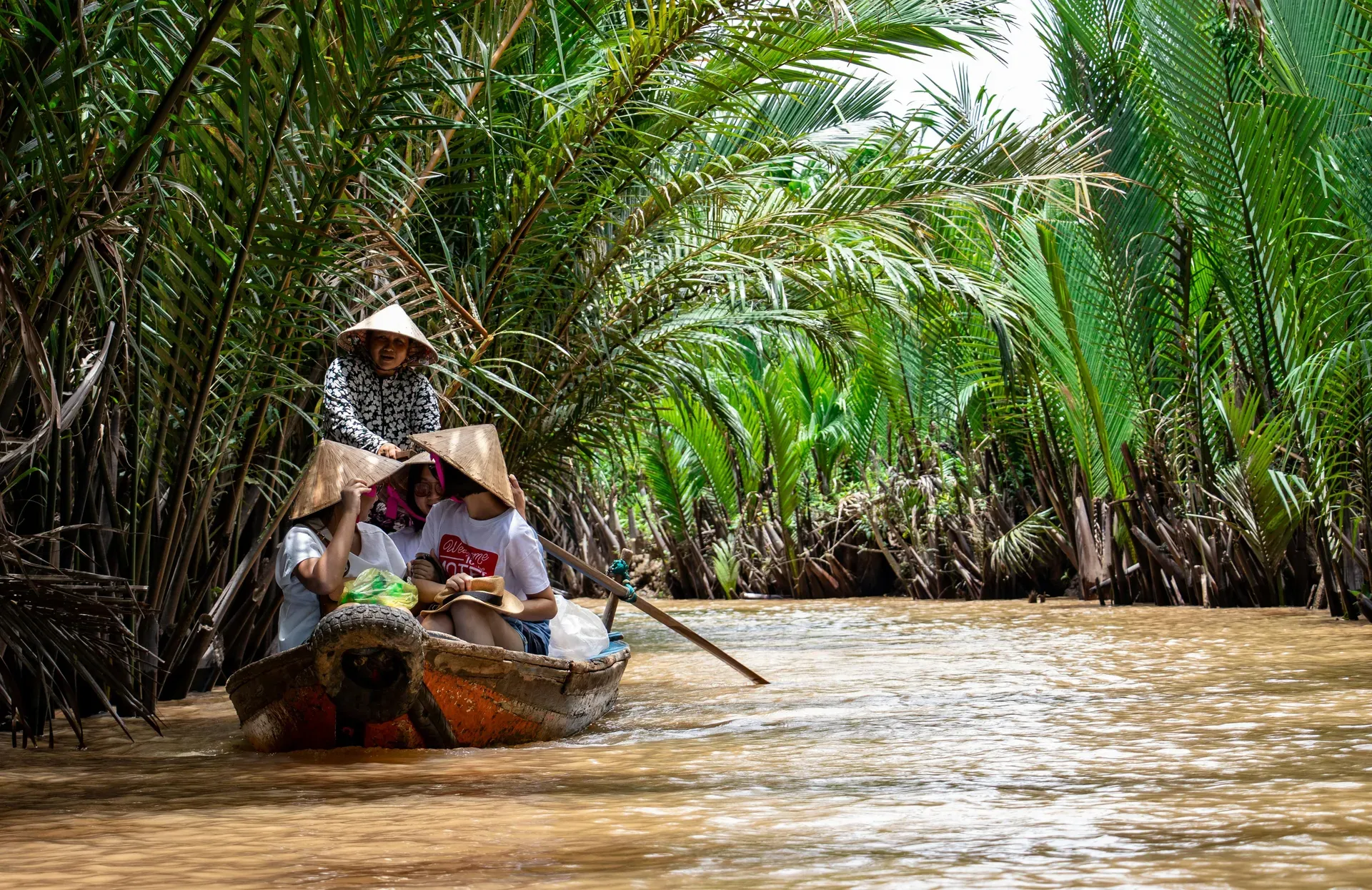
Entry to the Mekong Delta region is free and the waterways stay open 24/7. Individual sites maintain strict schedules and fees, with floating markets trading from 05:00 to 09:00 and reserves like Tra Su Forest charging 120,000 VND for admission.
The Mekong Delta region remains accessible 24/7, but specific attractions operate on strict early-morning schedules. Floating markets peak between 05:30 and 07:30 AM, with trading halting entirely by 09:00 AM. Temples close at 19:00, and forested areas like Tra Su shut their gates at 17:00.
| Day | Hours | Note |
|---|---|---|
| Monday–Sunday | 24 Hours | Regional access is continuous. Markets: 05:00–09:00. Temples: 06:30–19:00. Forests: 07:00–17:00. |
The delta remains open during national holidays, but the June to August monsoon season forces sudden seasonal closures. Heavy downpours and localized flooding frequently halt boat travel and shut down forest reserves without prior notice. Check local weather conditions each morning before paying for a private sampan.
Entering the Mekong Delta region costs nothing. You only pay for specific transport, boat rentals, and individual site admissions. Expect to spend between 300,000 and 500,000 VND for a private sampan at floating markets, while forest reserves charge around 120,000 VND at the gate.
Visitors over 70 years old receive free admission to Tra Su Cajuput Forest.
Planning your visit to Mekong Delta? Find tours with free cancellation and skip-the-line options.
View All ToursVisit between November and April for clear skies and stable water levels. September through November brings the floating season, flooding fields with nutrient-rich silt and abundant fish. Market crowds concentrate heavily before dawn, while June to August monsoons bring 90 percent humidity and localized flooding that halts boat travel.
Plan for 1 to 3 days in the Mekong Delta. Day trips from Ho Chi Minh City to My Tho and Ben Tre take about 8 to 10 hours total, while self-guided itineraries extending to Can Tho or Chau Doc require overnight stays. A multi-day luxury river cruise covers more ground without the hassle of arranging separate muddy village transfers.
Reach Ninh Kieu Wharf by 05:00 AM to catch the peak trading window at the floating markets. Activity drops sharply after 07:30 AM, leaving latecomers with empty waters. Carry 10,000 to 50,000 VND bills to buy coffee and snacks straight from the vendor boats.
Purchase tour tickets only from official kiosks to avoid overpaying touts at the ferry terminals. A private sampan at Cai Rang costs 300,000 to 500,000 VND for two to four hours. Smaller boats easily navigate narrow canals that block larger cruise vessels.
Dengue fever is endemic across the delta's humid floodplains. Apply strong insect repellent even during daylight hours, especially near forested areas. Tap and river water are unsafe, so budget 10,000 VND per bottle for drinking water.
You will step repeatedly between muddy riverbanks, wooden sampans, and temple entrances. Choose sandals that slide off easily, and wear lightweight cotton to handle the 70 to 90 percent humidity. Keep shoulders and knees covered to enter sites like Vinh Trang Pagoda.
Tra Su Cajuput Forest charges a mandatory 120,000 VND entry fee at the gate. Add the optional motorboat and rowing boat tickets for 70,000 VND each to glide through the duckweed. Visit between September and November to see the highest water levels.
Trading peaks between 05:30 and 07:30 AM before wrapping up around 09:00 AM. Arriving at Ninh Kieu Wharf by 05:00 AM lets you catch the sunrise and the heaviest boat traffic. Late arrivals will miss the wholesale produce exchanges marked by goods hung on 'beo' poles.
Expect to pay 300,000 to 500,000 VND for a private sampan holding two to four passengers. The price covers a two- to four-hour navigation through the market. Buy tickets directly from official kiosks to avoid overpaying ferry terminal scammers.
A compulsory entrance ticket costs 120,000 VND. Visitors over 70 enter for free. Optional motorboat and traditional rowing boat rides cost 70,000 VND each. The forest gates open from 07:00 to 17:00 daily. Pack insect repellent with DEET to ward off dengue-carrying mosquitoes while gliding through the duckweed-covered water.
Entry costs nothing. The 19th-century temple operates from 06:30 to 19:00 daily. Maintenance relies on visitor donations, typically ranging from 25,000 to 125,000 VND. Guards will deny entry if your shoulders and knees are visible, so wear modest cotton clothing.
My Tho and Ben Tre sit just 70 to 85 kilometers from the city, requiring only 1.5 to 2 hours of travel. Futa Bus and Mai Linh Express run frequent routes from Mien Tay Bus Station for 60,000 to 200,000 VND. Deeper delta destinations like Chau Doc take six hours and demand an overnight stay.
Flying a drone requires a permit from the Ministry of Defence, secured 7 to 14 days before arrival. The region itself has no general entry fee or permit system. Photographing military installations, government buildings, or Vietnamese currency for commercial use violates Decree 87.
Localized flooding disrupts boat travel from June through August. Peak monsoon rains combine with 70 to 90 percent humidity, making rural mud paths impassable. The dry season from November to April guarantees stable water levels and clear skies.
Browse verified tours with free cancellation and instant confirmation.
Find Tours