About All Tours From Ho Chi Minh ToursCu Chi Combo ToursFloating Market Tours1-Day ToursBoat ToursPrivate Tours Directions Hours & Fees
Find Tours 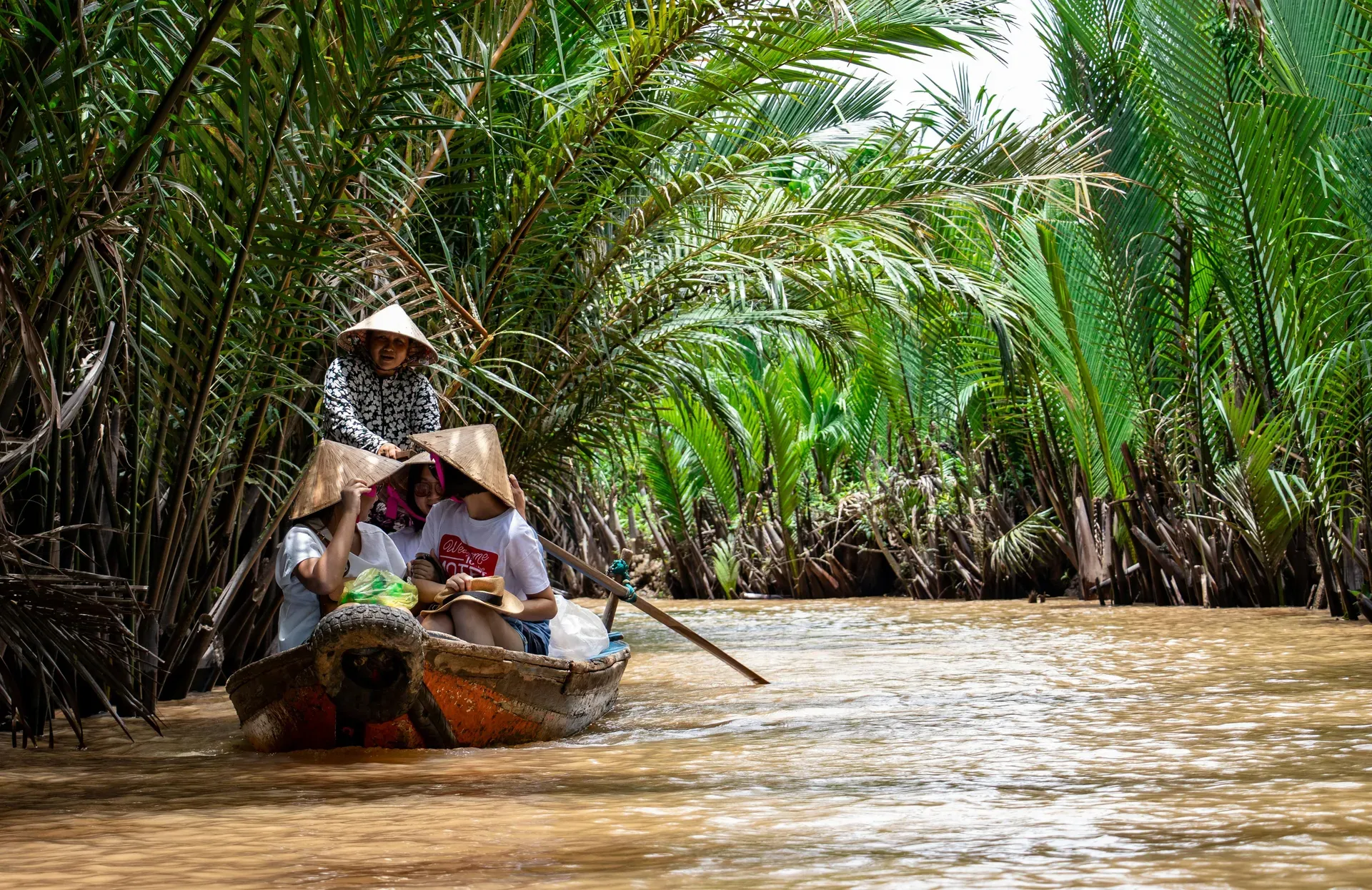
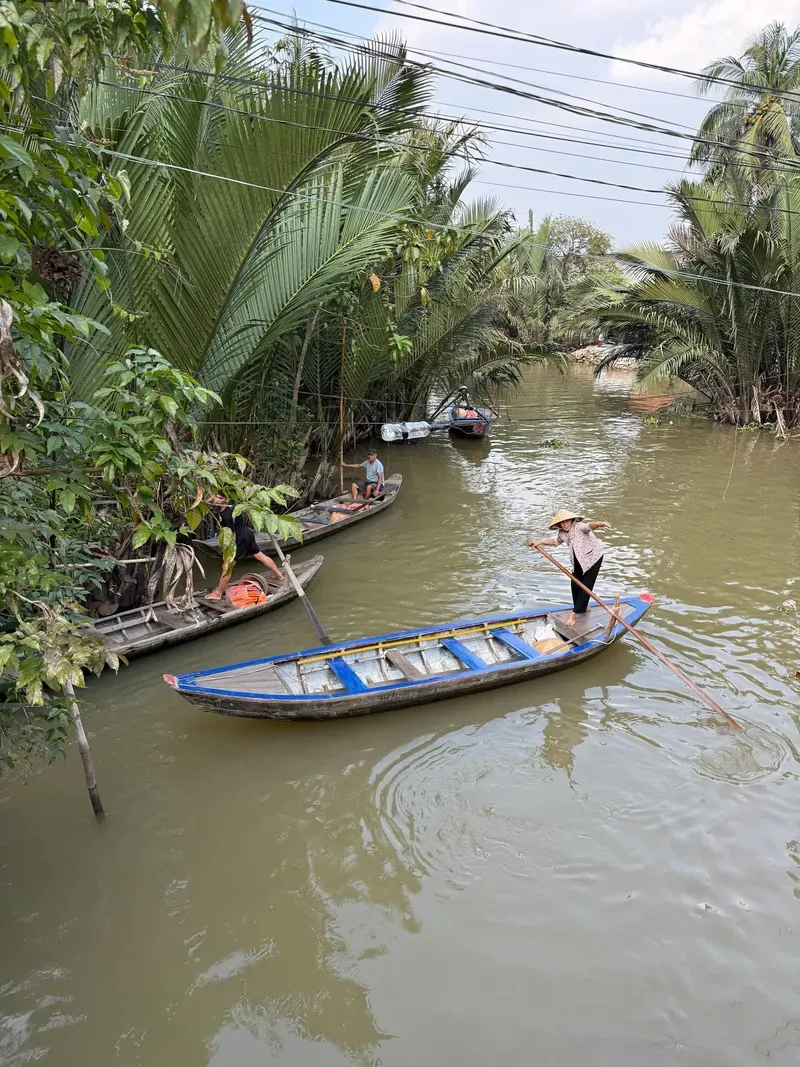
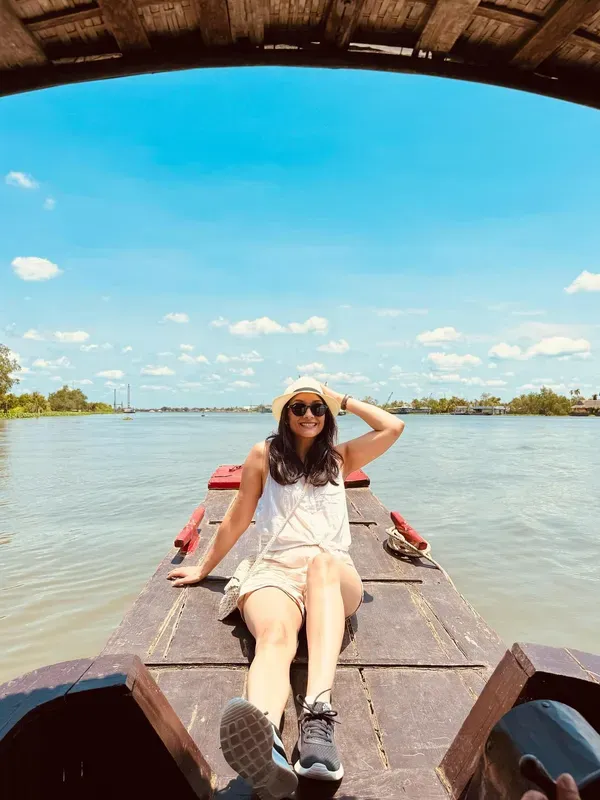
Spanning over 40,500 square kilometers, the Mekong Delta is a massive network of islands, rice paddies, and canals that produces 70 percent of Vietnam's national fruit output. You can glide through the duckweed-covered waters of Tra Su Cajuput Forest in a traditional sampan or watch hundreds of boats trade wholesale produce at the Cai Rang floating market.
Find Guided ToursThe Mekong Delta, locally known as Đồng bằng Sông Cửu Long (Nine Dragon River Delta), is a 40,577.6-square-kilometer network of distributaries in southwestern Vietnam. Here, the Mekong River empties into the East Sea through a complex system of canals and two primary river branches, the Tiền and Hậu. The landscape consists of flat flood plains with an average elevation of just 0.8 to 1.2 meters above sea level. This low-lying geography causes the land-to-water ratio to fluctuate significantly between the dry and wet seasons.
Supporting a population of over 17.7 million people, the delta functions as the agricultural core of the country. It produces 54.8% of Vietnam's national rice output, 70% of its fruit, and 58.3% of its fishery products. The region accounts for 95% of national rice exports and holds a 31% share of the agricultural GDP. This immense productivity relies heavily on the river system and the seasonal flooding from September to November, which coats the fields in nutrient-rich silt and sustains high biodiversity.
Human habitation in the delta dates back to the Funan civilization in the 4th century BC. The area later fell under the control of the Khmer Empire before Vietnamese settlement began in the 17th century under the direction of the Nguyen Lords. By the 1860s, the region was absorbed into the French colony of Cochinchina, altering its administrative structure.
During the 20th century, the delta's dense aquatic terrain made it a highly strategic location. It served as a base for revolutionary activities and became a major theater for naval combat during the Vietnam War, particularly for the U.S. Navy's Mobile Riverine Force. Today, these same labyrinthine waterways define the region's daily life and support its famous wholesale floating markets.
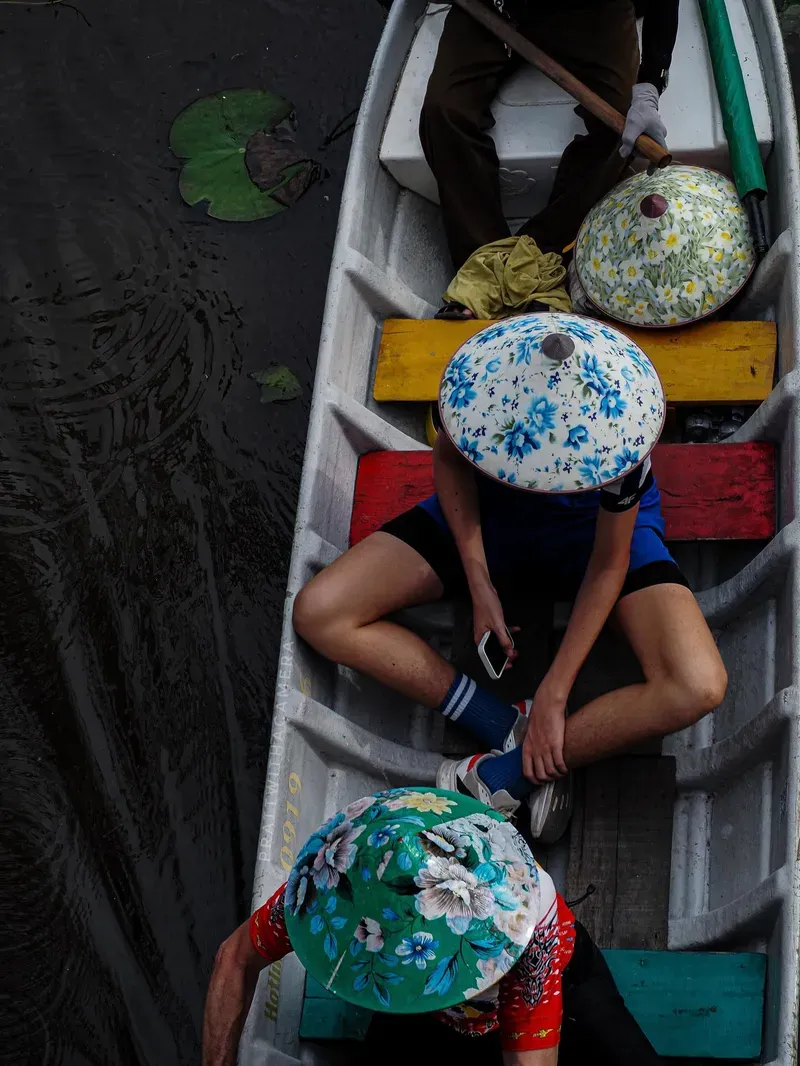
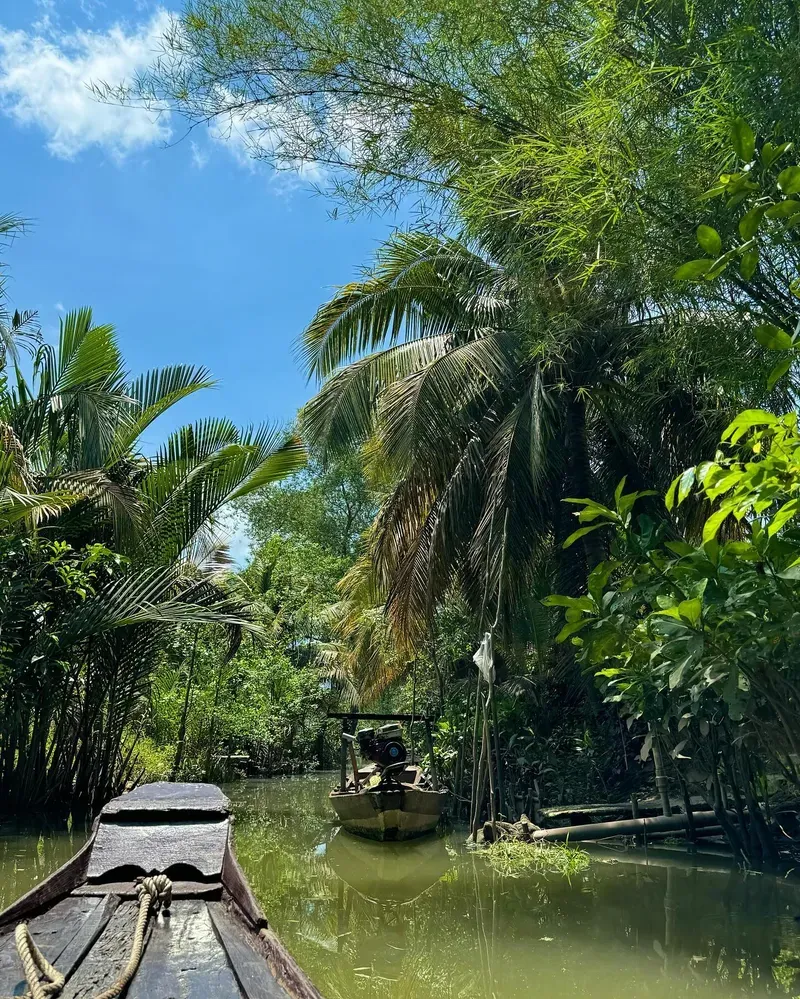
Discover the full history and cultural significance on our About page.
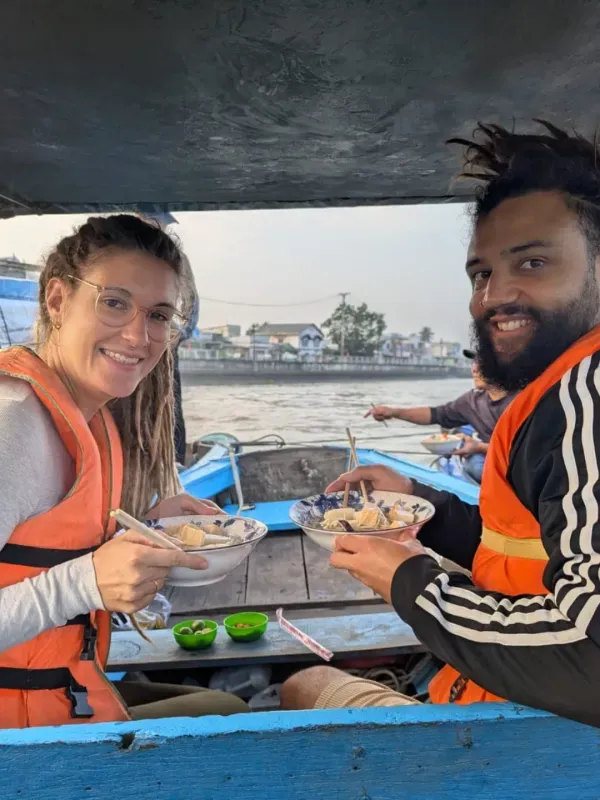
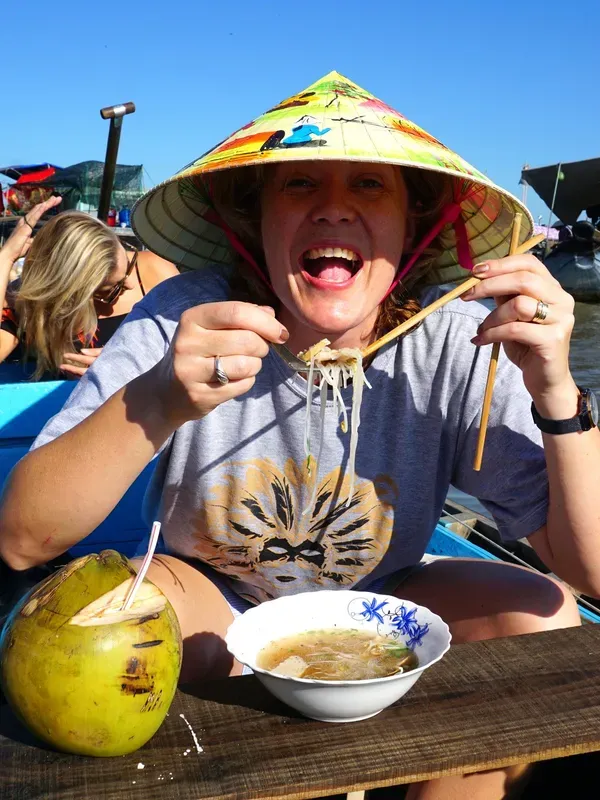
Arrive between 05:30 and 07:30 AM to see hundreds of boats exchanging wholesale produce on the water. Vendors identify their goods by hanging them on tall 'beo' poles. A private sampan for two to four people costs 300,000 to 500,000 VND for a morning on the river.
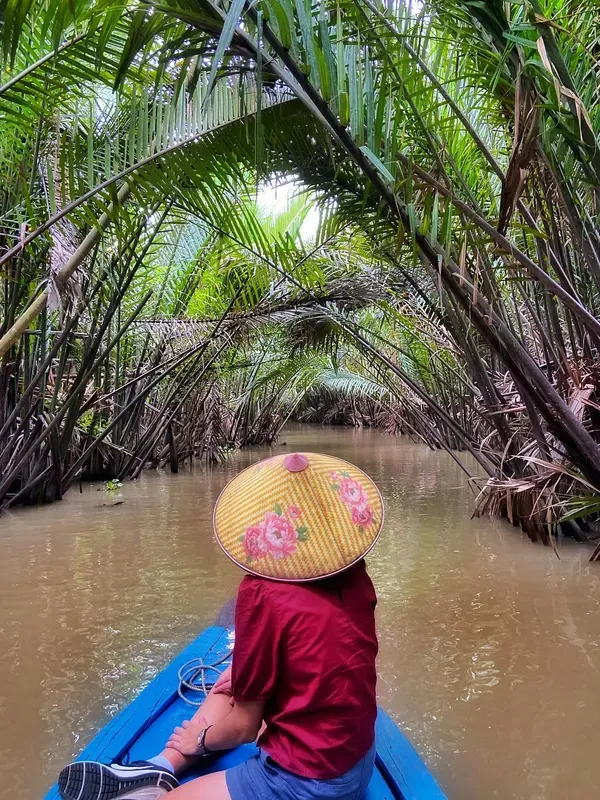
Glide across duckweed-covered water in a traditional rowing sampan. This flooded forest creates a dense green canopy that supports high biodiversity. Entry costs 120,000 VND, with boat rides available for an additional 70,000 VND. Bring high-quality DEET repellent to protect against mosquitoes.
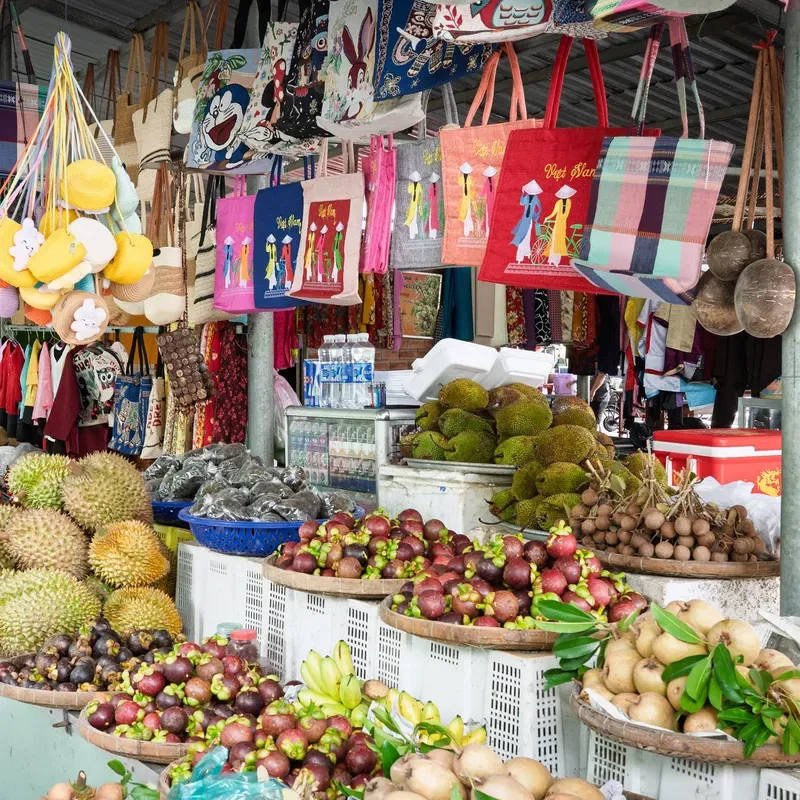
The delta produces 70 percent of Vietnam's national fruit output. Walk through local orchards in Ben Tre or Vinh Long to sample exotic varieties directly from the trees. You will find fresh durian, rambutan, and mangosteen. Ben Tre also features traditional coconut candy workshops along its canals.
Built in the 19th century, this architectural site blends Vietnamese, Chinese, and European design elements. Located in My Tho, the temple requires modest attire with covered shoulders and knees. Entry is free, though donations between 25,000 and 125,000 VND help maintain the grounds.
Hand-picked tours with free cancellation and verified reviews
 Free Cancellation
  Free Cancellation 9h
  Free Cancellation
  Free Cancellation 8h
  Free Cancellation 9h
  8h
8h  Free Cancellation 7h
  Free Cancellation 4h
 The optimal time to visit the Mekong Delta is between September and April. Travelers can choose the high-water floating season from September to November or the dry season from November to April for clear skies and stable water levels.
March and April offer clear skies and stable water levels before the rainy season begins in May. The intense equatorial sun requires precautions against heatstroke on open-top boats.
These are the worst months to visit due to peak monsoon rains and 70 to 90 percent humidity. Localized flash flooding frequently disrupts boat travel across the canal system.
Known as the floating season, rising river levels flood the fields with nutrient-rich silt. This period creates lush landscapes and provides ideal conditions for high-water boat tours.
The dry season brings clear skies and highly stable water levels across the delta's 40,577.6 square kilometers. These predictable conditions make it an excellent time for navigating the waterways.
The Mekong Delta is a public region accessible 24/7. Operating hours for individual attractions vary by category. Floating markets operate from 05:00 to 09:00, with peak trading activity occurring between 05:30 and 07:30 AM. Temples and pagodas are typically open from 06:30 to 19:00. Nature reserves and forests operate daily from 07:00 to 17:00.
| Category | Price |
|---|---|
| General Region Entry | Free |
| Tra Su Cajuput Forest (General Admission) | 120,000 VND |
| Tra Su Cajuput Forest (Seniors over 70) | Free |
| Tra Su Cajuput Forest (Optional Motorboat or Rowing Boat) | 70,000 VND each |
| Vinh Trang Pagoda | Free (25,000 - 125,000 VND donation appreciated) |
| Cai Rang Private Sampan (2-4 people, 2-4 hours) | 300,000 - 500,000 VND |
No general entry permit is required to visit the delta. Drone operators must obtain a permit from the Ministry of Defence at least 7 to 14 days in advance. Always purchase boat tickets from official kiosks or reputable operators to avoid scams.
For complete schedules and ticket prices, visit our Hours & Fees page.
The Mekong Delta is accessible from Ho Chi Minh City using various transport modes covering distances between 70 and 200 kilometers. Visitors can choose between road transport, direct flights to Can Tho, or river navigation depending on their destination and schedule.
Buses leave frequently from Mien Tay Bus Station in Ho Chi Minh City. Operators like Futa Bus and Mai Linh Express run routes to major delta hubs including My Tho, Ben Tre, and Can Tho. The distance ranges from 70 to 170 kilometers. Travel times vary based on the specific destination and road conditions. This remains the most economical method for reaching the region.
Direct flights depart from Ho Chi Minh City's Tan Son Nhat International Airport. Passengers arrive at Can Tho International Airport after covering a distance of 170 kilometers. Vietnam Airlines and Vietjet Air operate these routes. Flying provides the fastest connection to the delta's largest city. It allows travelers to bypass road traffic entirely.
Hiring a private vehicle in Ho Chi Minh City provides high flexibility for families. The total driving distance spans 70 to 200 kilometers depending on the chosen route. Pricing fluctuates based on whether you visit nearby My Tho or travel further to Chau Doc. This option allows for customized departure times. It also provides direct transit to your chosen accommodation.
Water transport departs directly from central Saigon piers along the Saigon River. Options range from luxury day cruises to multi-day river trips. This method bypasses highways entirely and provides direct access to the delta's complex canal network. Navigation speeds dictate the longer transit time. It serves as both a transportation method and a scenic touring option.
For detailed transport options and routes, visit our Directions page.
Arrive at Ninh Kieu Wharf by 05:00 AM to catch the peak trading activity. Markets slow down significantly after 09:00 AM. Bring small denomination notes between 10,000 and 50,000 VND. This makes purchasing coffee and snacks directly from vendor boats much easier.
The delta carries a high risk for dengue fever due to constant 70-90% humidity. Pack a high-quality insect repellent containing DEET and apply it even during daylight hours. This is critical when staying in rural homestays or visiting forested areas like Tra Su.
Wear slip-on shoes or sandals because you will frequently transition between muddy village paths and traditional sampans. Temples like Vinh Trang Pagoda, open from 06:30 to 19:00, require visitors to remove footwear. You must also wear modest, lightweight cotton clothing that covers your shoulders and knees.
The equatorial sun poses a high heatstroke risk for tourists riding in open-top boats. Always wear sun protection on the water. Tap and river water are unsafe for consumption. Stick strictly to bottled water, which is widely available across the region for around 10,000 VND.
Purchase boat tickets only from official kiosks to avoid overpaying at ferry terminals. A private sampan at Cai Rang for two to four people typically costs 300,000 to 500,000 VND for a multi-hour trip. Booking a smaller boat ensures you can navigate narrow canals that large vessels cannot access.
Operating a drone requires a permit from the Ministry of Defence, which you must secure 7 to 14 days in advance. Photographing military installations or Vietnamese currency for commercial use violates local laws like Decree 87. Always ask for permission before taking close-up portraits of local residents.
As the largest city in the region, Can Tho serves as the primary hub for the Cai Rang floating market. Visitors gather at Ninh Kieu Wharf by 05:00 AM to see hundreds of boats trading wholesale produce.
This gateway town provides direct access to four river islands via boat trips. It also houses Vinh Trang Pagoda, a 19th-century architectural site blending Vietnamese, Chinese, and European styles.
Known locally as the Coconut Kingdom, this area features authentic canal rowing and local coconut candy workshops. Visitors sample tropical fruits directly from orchards, representing part of the delta's 70% share of national fruit production.
Read what travelers share about their experience visiting Mekong Delta — from practical tips to personal highlights.
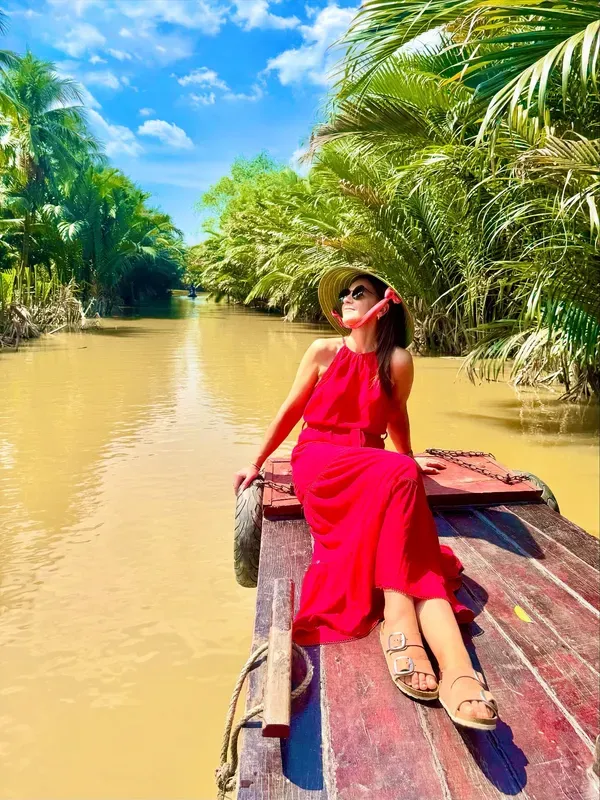
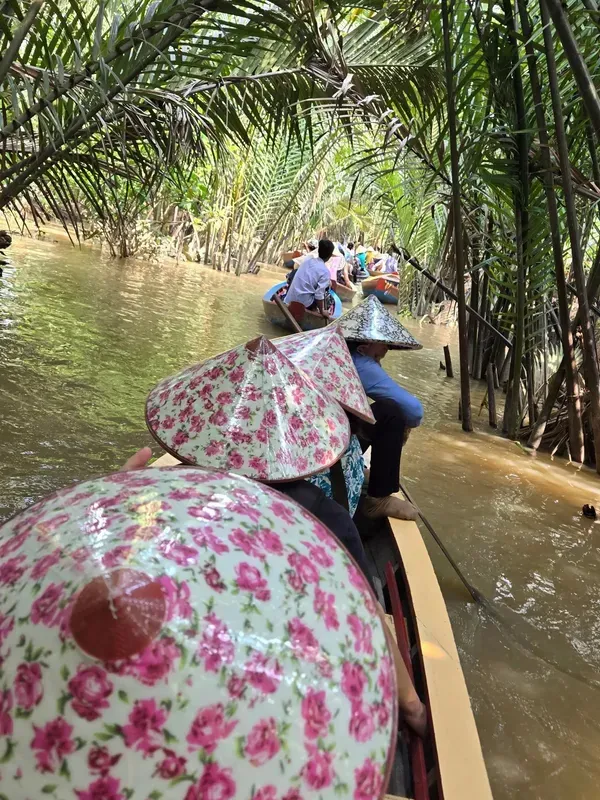
Yes, you can reach My Tho and Ben Tre in about two hours by bus or private car. Private cars cost between 600,000 and 1,500,000 VND, while buses from Mien Tay Bus Station run from 60,000 to 200,000 VND. These shorter travel times make them the most common day-trip destinations.
The dry season from November to April offers clear skies and stable water levels. Alternatively, visiting between September and November allows you to see the floating season, when rising waters bring abundant fish and flood the fields. Avoid June to August due to peak monsoon rains and high humidity reaching 90 percent.
The floating markets operate from 05:00 to 09:00, with peak trading activity occurring between 05:30 and 07:30 AM. Arriving after 09:00 AM usually means missing the main wholesale produce exchanges. Plan to be at Ninh Kieu Wharf by 05:00 AM to catch the sunrise and the busiest market hours.
Renting a private sampan for two to four people typically costs between 300,000 and 500,000 VND. The price depends on the duration of the trip, which usually lasts two to four hours. Booking a smaller private boat allows you to navigate narrow canals that large tour vessels cannot enter.
Bring lightweight, breathable cotton clothing and modest attire that covers your shoulders and knees for temple visits. Pack high-quality insect repellent containing DEET to protect against dengue fever, especially if staying overnight. You should also carry small denominations of Vietnamese Dong, like 10,000 to 50,000 VND bills, for buying snacks from vendor boats.
Accessibility is limited across the region. While specific sites like Vinh Trang Pagoda and some modern cruise vessels have ramps, traditional sampan boats require physical stepping-in. Many village paths are also too narrow or muddy to accommodate a wheelchair.
The compulsory entrance ticket costs 120,000 VND. If you want to explore the duckweed-covered waterways by boat, optional motorboat and rowing boat tickets cost an additional 70,000 VND each. Visitors over 70 years old receive free entry.
No, the tap and river water in the region are unsafe for consumption. You should only drink bottled water, which is widely available for about 10,000 VND. Avoid street food stalls with low turnover to prevent foodborne illness.
Browse verified tours with free cancellation and instant confirmation.
Find Tours